Introduction
With 2024 fully underway, the digital world is on the brink of a significant shift: the phase-out of third-party cookies.
This change places marketers at a crossroads, compelling them to evolve their strategies or risk falling behind.
For years, the use of third-party cookies (tiny code snippets that track user behavior across websites from domains they’ve not directly visited) has been a staple in digital advertising.
This technology has enabled advertisers to retarget consumers effectively; for instance, after searching for sneakers, you might notice ads for those sneakers appearing on various websites you visit.
However, this practice has increasingly raised concerns among users about privacy and data usage, leading to a growing disfavor towards third-party cookies.
These concerns, coupled with tighter regulations and browser policies, highlight the urgent need for a new approach to digital advertising that respects user privacy while still delivering effective results.
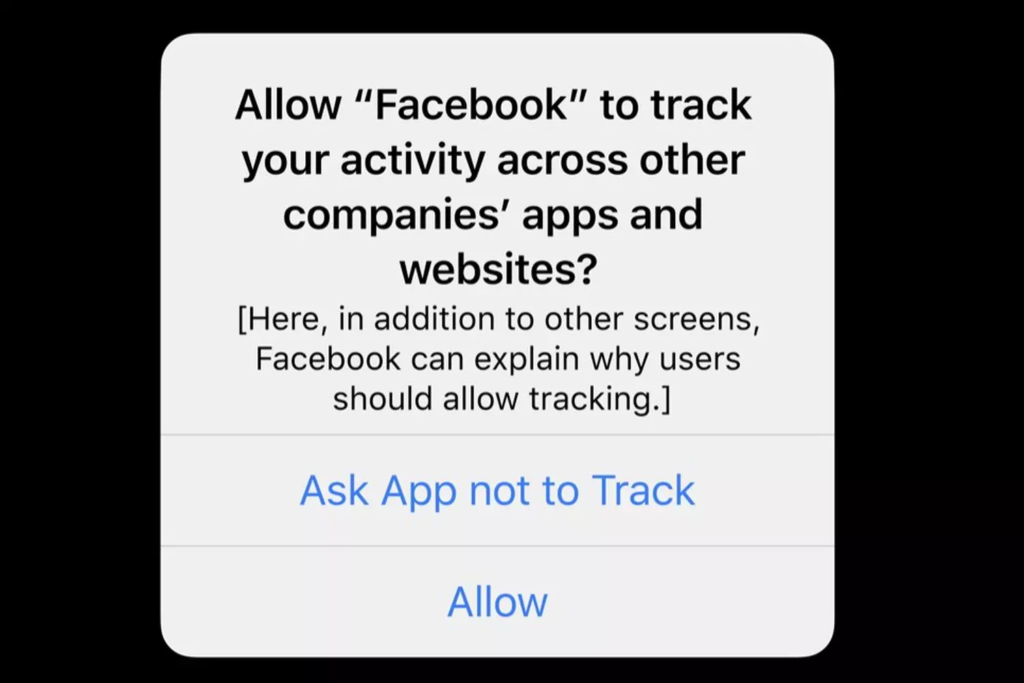
In 2023, Apple rolled out new privacy features with its iOS 17 update. Now, app developers need your okay to use your phone’s ID for ads, adding to the earlier requirement from iOS 14. iOS 17 also brings mail privacy, safety checks, better location services, and passkeys – a safer way to log in without the fear of password theft.
Google’s also making changes by ditching third-party cookies in 2024 for Chrome users, who make up about 60% of browser users worldwide.
Instead, they’re introducing “privacy-preserving APIs” as part of their Privacy Sandbox project, aiming to keep user data safe while supporting online business growth.
But the move away from third-party cookies isn’t all bad news for digital advertisers. It opens up a path to more ethical advertising using first-party data.
This article will walk you through why the end of third-party cookies is a game-changer for digital ads, why first-party data is crucial, and how Customer Data Platforms (CDPs) are key in moving towards a privacy-first approach in digital advertising.
Browsers: Stepping Up Their Privacy Game

Apple
- The shift kicked off in 2020, with Apple’s iOS 14 update changing the game for app developers. They now needed to ask users directly if they could track their IDFA (the phone’s unique identifier), flipping the script from users opting out to needing to opt in with App Tracking Transparency.
- Fast forward to 2023, and Apple’s iOS 17 update brought even more privacy features to the table. This includes protections for your email, a safety check feature, better control over location services, and the introduction of updated passkey.
- Google plans to say goodbye to third-party cookies in its Chrome browser by 2024.
- Chrome will no longer use specific user identifiers to follow people’s activity across different websites.
- They’re shifting towards “privacy-preserving APIs” with their Privacy Sandbox project. The goal here is to come up with new tech that safeguards user privacy on the web while also providing resources for businesses and developers to flourish online.
Mozilla
- In 2020, Mozilla introduced Total Cookie Protection, effectively putting each website’s cookies into separate jars to block tracking across sites.
- Fast forward to 2024, Mozilla rolled out Mozilla Monitor Plus, a subscription service dedicated to privacy monitoring. It constantly scans over 190 sites where data brokers sell info collected from places like social media, apps, and browser trackers. If it spots your details, the service automatically attempts to have them removed.
Who’s Affected by the Third-Party Cookie Phase-Out?
The end of third-party cookies represents a fundamental shift in digital advertising. Let’s break down the key players involved, and how they’re impacted.
Publishers
In the world of digital advertising, you’ve got two main types of publishers:
– Media companies (think The New York Times, WSJ, Vice)
– Tech giants (like Google, Amazon, Meta)

Publishers put ads in their digital spaces – it could be in articles, social media feeds, or search results. This ad revenue is crucial for media companies to keep their operations running.
That’s why big names in media are exploring other income sources beyond ads, such as introducing paywalls to boost subscription numbers.
But the real game changer? Taking control of their own data. Forward-looking media firms are beefing up their first-party data gathering. This isn’t just for kicks; it’s a strategic move to open up new revenue opportunities.
With third-party cookies on their way out, 78% of publishers see a silver lining: their audience data could become even more valuable. Digiday points out that without third-party cookies, publishers can protect their data better and find fresh ways to make money from their audience using first-party data.
Tech Giants
Google, Facebook, Amazon, and TikTok are the giants of digital advertising, holding significant portions of ad revenues in the US as of 2023.

They’ve set themselves up as “walled gardens” or closed ecosystems, hoarding vast amounts of first-party data from their enormous user bases, which they don’t share outside their walls.
To give you an idea, Facebook sees about 3 billion people using its platform daily, Google boasts over 1.8 billion Gmail users globally, and YouTube has over 2.7 billion logged-in users monthly.
This means that every time these users interact with these platforms, they’re generating valuable first-party data like engagement with posts or search histories.
Amazon isn’t left out either, commanding nearly 50% of the US e-commerce market share. The high purchase intent of Amazon’s users provides it with valuable data, fueling its ability to experiment quickly and make spot-on product recommendations.
Despite potential challenges posed by the end of third-party cookies and IDFA, these tech behemoths are well-prepared for the future, thanks to their rich reserves of first-party data.
Advertisers
Digital advertisers have traditionally relied on ad networks and Ad Tech companies to place third-party cookies on their sites and apps, effectively handing over their data control. With the upcoming ban on third-party cookies, a massive strategy overhaul is in the cards for many advertisers. And maybe, it’s about time.

The world of programmatic advertising has been criticized for its complexity and lack of transparency. A 2023 study by the Association of National Advertisers highlighted that out of $88 billion spent on programmatic ads, $22 billion doesn’t hit the mark.
The study revealed that just $0.36 of every dollar spent on a demand-side platform (DSP) actually makes its way to the target audience.
The data situation isn’t any clearer, with inconsistencies across platforms making performance analysis tough for advertisers. Shifting the focus to first-party data collection can shine a light on these murky waters, offering more clarity and control to both advertisers and users.
It’s a positive move away from the cookie-dependent methods that have made online advertising feel more invasive than customized for many people, leading to a rise in ad blocker usage and outright campaign disregard.
Ad Tech Players
Third-party cookies have been a big deal for Ad Tech companies for two main reasons:
– They’ve allowed for targeted ads outside of closed platforms like Google, YouTube, and Facebook.
– They’ve been key for figuring out where ads are most effective.

These cookies could follow someone across different sites, enabling a whole bunch of companies to offer advertisers retargeting services using traditional cookie-based tracking.
But as cookies are being phased out, these tracking methods are losing their edge. That said, ad networks haven’t just been sitting around; they’ve been gearing up for a cookie-less future for some time.
One effort leading the charge is Unified ID 2.0 by The Trade Desk. It’s a community-driven project aimed at solving the puzzle of identifying users across the web without cookies.
With heavy-hitters like LiveRamp, Criteo, and Nielsen joining in, Unified ID 2.0 is working on making sure ads can still reach the right people in a world without cookies.
With the cookie era coming to a close, ad networks and advertisers are also having to rethink how they figure out which ads are working best.
It’s a big shift towards finding new ways to track the customer journey and keep ad performance tracking on point.
A Spectrum of Data
Advertisers are in a bit of a fog when it comes to envisioning a future without cookies. But as we navigate through ongoing browser updates and shifts in privacy norms, one thing stands crystal clear – first-party data is gold.

Take a moment to think about brands that are aces in delivering stellar customer experiences. Ever wonder how Amazon nails those product recommendations that make you hit ‘add to cart’? Or what keeps you binge-watching on Netflix? The secret ingredient is first-party data.
That’s precisely why there’s a noticeable pivot from Data Management Platforms (DMPs) to Customer Data Platforms (CDPs). Though both platforms aim to sculpt targeted audiences for marketers, CDPs take the cake by leveraging first-party data, whereas DMPs often rely on second- and third-party data.
Before we delve into the nitty-gritty of CDPs vs. DMPs, let’s first get a handle on the differences among first-, second-, third-, and zero-party data.
First-Party Data
This data comes straight from the source – your company collects it firsthand. Think of it as getting an email address from someone who signs up for your newsletter.
It’s often considered the gold standard for grasping the customer experience and is the safest to gather. You’ve got clear evidence of its origin and the purpose behind its collection.
Second-Party Data
This is when you get first-party data from another company, either through sharing or buying, but it’s not your direct competitor. Imagine collaborating on an ebook with another company and then exchanging email lists for spreading the word.
Since this data is borrowed from a partner, it doesn’t quite match the quality or safety of your own first-party data.
Imagine you go to a soccer game sponsored by Adidas and the next day, you find an ad for Adidas gear in your inbox.
Third-Party Data
This type of data is scooped up by companies specializing in collecting it, and then sold to whoever’s interested.
The catch?
These companies often don’t check or even promise that the data is accurate. In an ideal scenario, imagine you’re eyeing a new Mac laptop on an electronics site but end up on a news site only to see an ad for that very laptop.
The ethical collection of this data is also a gray area since it is so hard to verify.
Plus, since third-party data is up for grabs to anyone, it loses some of its shine. After all, you and your competitors might be tapping into the same pool of third-party data for your marketing efforts.
Zero-Party Data
Just like first-party data, zero-party data is what customers willingly give to a business, such as when they set up an account or fill out a quiz.
This type of data is super reliable and accurate, and it becomes even more powerful when used alongside first-party data.
For instance, when a customer completes a survey sharing their likes and dislikes, a business can use this goldmine of information to get a deeper understanding of their customers’ needs, tailoring marketing efforts more effectively.
CDPs and DMPs
Data Management Platforms (DMPs) are tools that advertisers use to handle anonymous cookie IDs of site visitors, creating audience segments for digital ads. They also enrich these segments with insights from third-party, anonymized datasets.

DMPs source their data either by buying it or through their vast network of clients, allowing them to compile and anonymize data themselves.
Here’s the process: DMPs place third-party cookies (from an outside domain) across all their networked sites. When someone clicks on an ad, a cookie gets stored on their computer, tracking their activity across various websites. This means a user could browse 50 sites, and each would drop cookies to gather info like browser and device IDs, and IP addresses. This way, DMPs can identify individuals, albeit anonymously.
But what’s the future of DMPs in an era where third-party cookies are being phased out?
First off, this kind of detailed, cross-website tracking will come to a halt. Theoretically, users might opt to allow third-party cookies in their browsers, but realistically, that’s unlikely to happen on a large scale.
This shift means DMPs will be limited to using data they’ve already collected. They won’t be able to refresh their audience segments or track new users.

CDPs, in contrast, build on first-party data that customers willingly share with a brand. This could be through direct interactions or cookie data from the brand’s own site.
CDPs use this data to create a comprehensive, consent-based profile of customers. Then, they can integrate this data with other tools in the brand’s tech arsenal to craft experiences centered around the customer.
By moving from DMPs to CDPs, brands can gain a dependable, unified view of their customers without relying on cookies or dubious third-party data.
Some platforms collate clean, consented customer data, offering real-time insights that make you feel like you know each customer personally.
Without the ability to resolve first-party identities, businesses would struggle to identify duplicate profiles, fully grasp user journeys, or provide accurate personalization.
Advantages of First-Party Data for Advertisers
Improved Accuracy
First-party data often outshines third-party data in accuracy, capturing genuine customer activities across your channels like web, mobile, and in-store interactions.
It’s pure, unfiltered data directly from the source, your business, without passing through any middlemen or agencies, unlike second and third-party data.
A study by Think With Google and Boston Consulting Group in 2023 revealed that brands leveraging first-party data in their marketing strategies saw a revenue increase of almost threefold and a 1.5 times boost in cost savings.
Server-Side Tracking
Moving away from third-party data has spotlighted the shift towards server-side tracking, stepping back from the traditional reliance on client-side pixels on business websites.

This move to server-to-server tracking hands brands the reins over what data they share with ad platforms. Not only does this method offer better control, but it also promises greater accuracy in data collection.
Given the prevalence of ad blockers and the potential for browser crashes, relying solely on tracking from sources like your Meta Pixel can miss significant user interactions.
Server-side tracking steps in to ensure a more comprehensive capture of user events.
Improved ROAs
The demise of third-party cookies has sparked fears of a personalization-privacy conundrum: How can businesses offer tailored experiences without the detailed tracking third-party cookies provide?
However, the perceived “personalization paradox” isn’t really a thing. First-party data can still fuel highly personalized experiences, setting businesses apart since no one else can tap into this exclusive data.
This approach not only puts businesses in full control of their data but also fosters a more transparent and trust-based relationship with customers.
For advertisers, this means the ability to use first-party data for retargeting existing customers or enhancing lookalike targeting on platforms like Google, Facebook, Snapchat, or Pinterest.
Previously, without a Customer Data Platform (CDP), marketers would have to manually upload customer data into ad platforms, starting off with potentially stale data.
A CDP changes the game by automating audience creation and updating, allowing businesses to understand and engage their audience with real-time precision.
View Customer Activity Across Multiple Channels
A lot of marketers are navigating without a full picture of their customers, piecing together fragmented insights from various unconnected touchpoints.
They’re in the dark about whether Device ID 1818 is an existing customer, or if Desktop User X and Mobile User Y are the same person. This leads to ads that miss the mark, draining precious marketing dollars. In fact, 21% of advertising spend is squandered because of low-quality data.
Enter Customer Data Platforms (CDPs), which transform your first-party data into actionable insights. These platforms enrich customer profiles and activate data, helping you to fine-tune your ad spend while enhancing cross-sell and upsell opportunities, ultimately driving revenue growth.
So, Now What?
As we navigate the evolving landscape of digital advertising in the wake of third-party cookies’ departure, marketers are faced with new challenges but also exciting opportunities to innovate and enhance customer experiences.
The shift towards prioritizing privacy and personalization presents a pivotal moment for businesses to reassess and revitalize their marketing strategies.
While leveraging a Customer Data Platform (CDP) offers a robust solution for harnessing first-party data to create targeted, efficient marketing campaigns, it’s not the only path forward.
Here are three actionable insights for marketers looking to thrive in a post-cookie world:
1. Invest in Quality First-Party Data Collection: Beyond CDPs, focus on building direct relationships with your customers through engaging content, interactive tools, and value-driven interactions. This could involve enhancing your website’s user experience to encourage more sign-ups or using social media to foster community and dialogue.
2. Explore Contextual Advertising: With the decline of individual tracking, contextual advertising – placing ads based on the content being viewed rather than the viewer’s past behavior – regains prominence. This approach respects user privacy and can be highly effective when ads are well-matched to the content’s context.
3. Embrace Privacy-First Technologies: Investigate new technologies and platforms that are designed with privacy at their core. These might include privacy-preserving analytics tools or advertising networks that use aggregated, anonymized data to target ads without infringing on individual privacy.
The transition away from third-party cookies is not a one-size-fits-all challenge, and neither is the solution. By diversifying strategies, focusing on building genuine customer relationships, and staying informed about privacy-centric innovations, marketers can navigate this change successfully.
The key lies in balancing privacy concerns with the need for personalization, ensuring that as the digital advertising ecosystem evolves, your marketing efforts remain effective and respectful of consumer preferences.